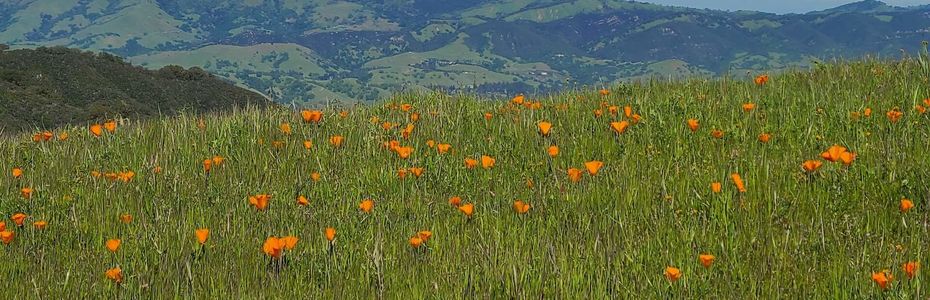
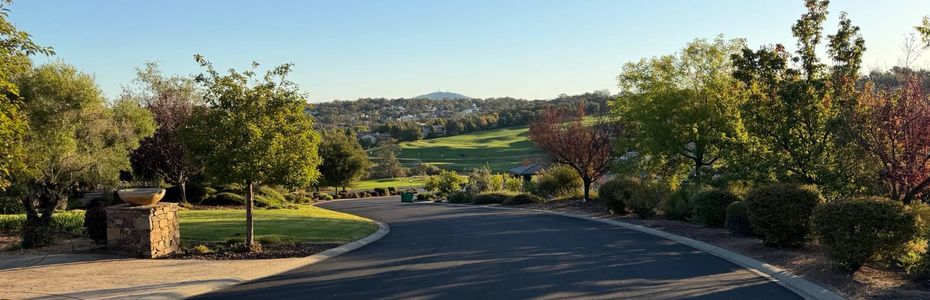
Contra Costa County at a glance: About 1.17 million people (2020 census) across 19 cities and many unincorporated communities, from the bay shore at Richmond to the Delta at Discovery Bay, with Mount Diablo near the center. Housing ranges from older bayside bungalows to wooded hillside lots and newer construction in the east. BART serves much of the county.
The county falls into distinct areas: West County along the bay (Richmond, El Cerrito, San Pablo, Pinole and Hercules), Lamorinda (Lafayette, Moraga and Orinda), Central County (Walnut Creek, Concord, Pleasant Hill, Martinez and Clayton), the San Ramon Valley (Danville, San Ramon and unincorporated Alamo), and East County (Antioch, Pittsburg, Brentwood, Oakley and Discovery Bay). Mount Diablo State Park and the East Bay Regional Park District's open spaces surround much of the developed land.
West County has older bungalows and post-war homes close to the bay. Lamorinda and the San Ramon Valley have homes on larger, often hilly or wooded lots. Central County has a mix of mid-century neighborhoods, newer townhomes and condos near downtown Walnut Creek and the BART stations. East County has had much of the county's newer construction, along with farmland and waterfront homes on the Delta. Request the free market report on this page for current countywide prices and recent sales. Each city guide offers its own report.
BART lines run to Richmond, Pittsburg/Bay Point and Antioch, with direct trains to Oakland and San Francisco. Amtrak's Capitol Corridor and San Joaquins trains stop in Richmond and Martinez, and ferries run from Richmond to San Francisco. Interstate 680 runs north and south through the middle of the county, and Highway 24 runs through the Caldecott Tunnel toward Oakland.
Before you buy in Contra Costa County: many hillside neighborhoods are in fire hazard severity zones, and East County's Delta areas depend on levees. Check fire zones, flood zones and insurance costs early.
How it got its name: Contra Costa means "opposite coast" in Spanish, for the land across the bay from San Francisco. When California created its original 27 counties in 1850, Contra Costa covered the entire East Bay; its southern part became Alameda County in 1853. Martinez has been the county seat from the start, and John Muir's home there is now the John Muir National Historic Site.
FAQ
What cities are in Contra Costa County?
There are 19: Antioch, Brentwood, Clayton, Concord, Danville, El Cerrito, Hercules, Lafayette, Martinez, Moraga, Oakley, Orinda, Pinole, Pittsburg, Pleasant Hill, Richmond, San Pablo, San Ramon and Walnut Creek. Alamo, Discovery Bay, Kensington and El Sobrante are among the unincorporated communities.
Does BART go to Contra Costa County?
Yes. BART lines run to Richmond, Pittsburg/Bay Point and Antioch, with stations in cities such as El Cerrito, Orinda, Lafayette, Walnut Creek, Pleasant Hill and Concord.
What is the county seat of Contra Costa County?
Martinez, which has been the county seat since the county was created in 1850.
What does Contra Costa mean?
"Opposite coast" in Spanish, referring to the land across the bay from San Francisco.