Sacramento at a glance: California's capital, where the American River meets the Sacramento River, with about 525,000 residents (2020 census). Downtown and Midtown sit on a walkable street grid around the Capitol, older neighborhoods such as Land Park and East Sacramento are close by, and Natomas to the north is mostly newer construction. I-5, I-80 and Highway 50 all run through the city.
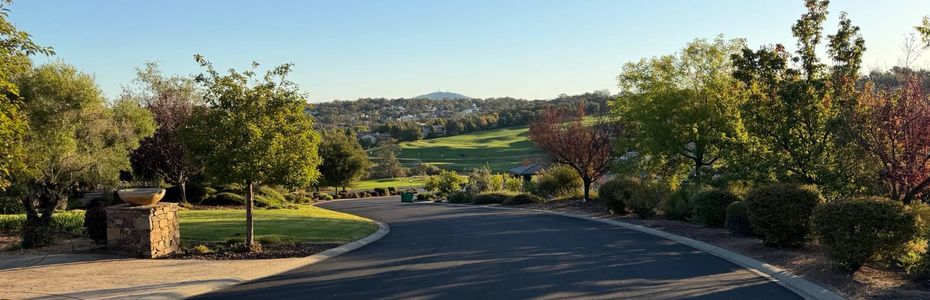
The city calls itself the City of Trees and estimates it has about a million of them, and it's planting more to bring shade to neighborhoods with less canopy. The American River Parkway's trails start where the two rivers meet, and Old Sacramento's riverfront still has Gold Rush-era buildings.
Housing ranges from older homes in neighborhoods like Land Park and East Sacramento to Midtown flats and newer construction in Natomas. Prices vary widely by neighborhood. Request the free market report on this page for the current median and recent sales.
I-5, I-80 and Highway 50 all run through the city, light rail serves downtown and several suburbs, and Sacramento International Airport is just north of Natomas. School districts vary by neighborhood, so confirm the district for any address you're considering.
Before you buy in Sacramento: the rivers that built the city still shape buying here. Much of Sacramento sits behind levees, and some areas, such as Natomas, remain in FEMA zones considered high risk even after major levee upgrades. Look up the address on FEMA's flood map, ask whether flood insurance is required or just recommended, and get a quote early.
A bit of history: in 1839, John Sutter built a fort here on a Mexican land grant he called New Helvetia, and in 1848, with the Gold Rush starting, his son laid out a city along the river. After floods in 1850, 1852 and 1861 swamped downtown, the city spent years raising its streets and buildings by about 10 feet. The old ground floors are still down there, and the Sacramento History Museum leads tours of the hollow sidewalks. Sacramento became the permanent state capital in 1854.
FAQ
Is Natomas in a flood zone?
Natomas carries FEMA's A99 designation, which is still considered a high-risk flood zone but allows construction while levee improvements are completed. Check the specific address on FEMA's flood map.
Why is Sacramento called the City of Trees?
The city estimates it has about a million trees, and it's working to grow its tree canopy further under its urban forest plan.
When did Sacramento become the capital of California?
The legislature moved to Sacramento permanently in 1854. The California Supreme Court confirmed it as the permanent seat of government in January 1855.
Why are there tunnels under Old Sacramento?
They aren't tunnels. They're the original street level. After repeated floods, the city raised its streets and buildings by about 10 feet in the 1860s and 1870s, leaving hollow sidewalks and old ground floors below. The Sacramento History Museum runs tours.